REFLECT: Remote Sensing and Field Training for Environmental Change
Project details
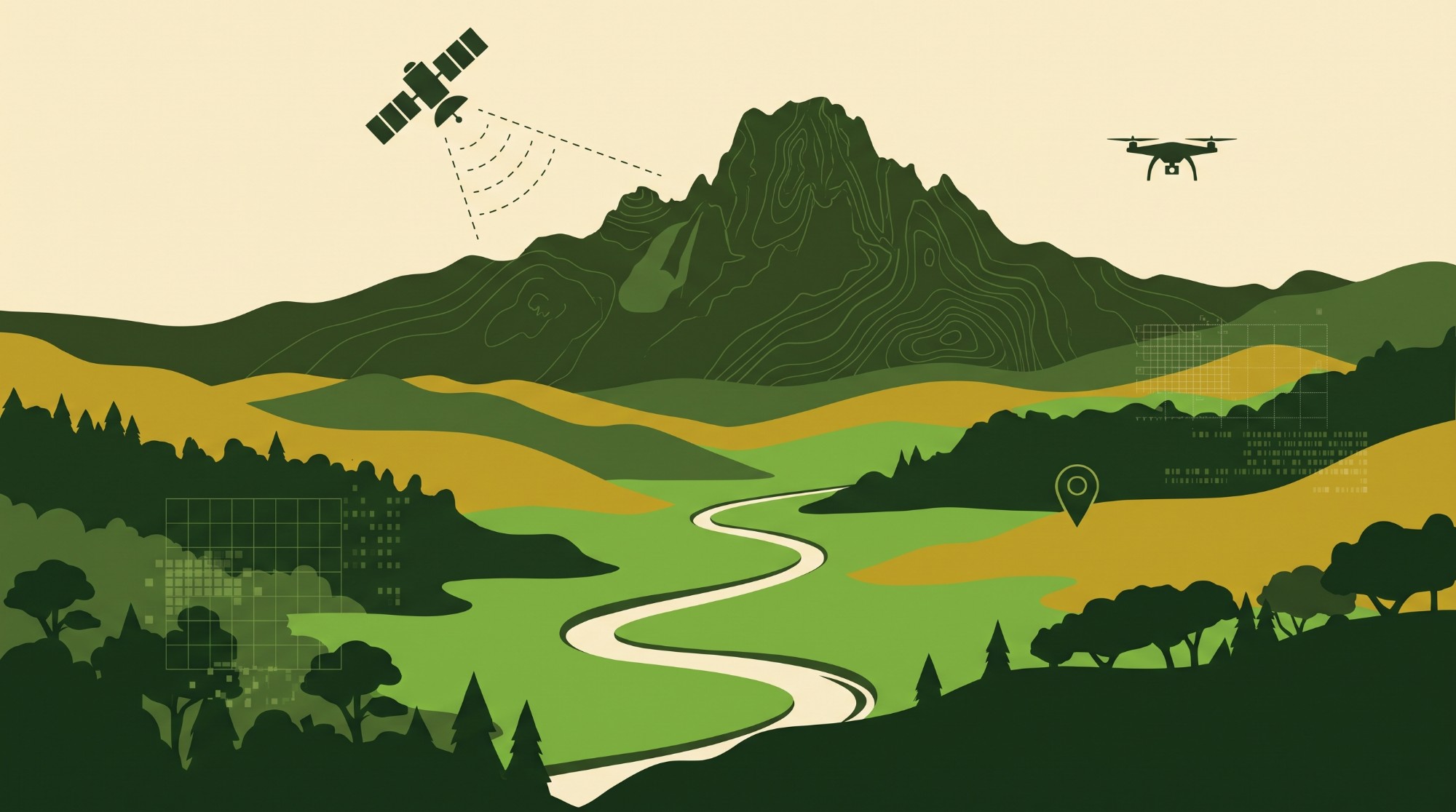
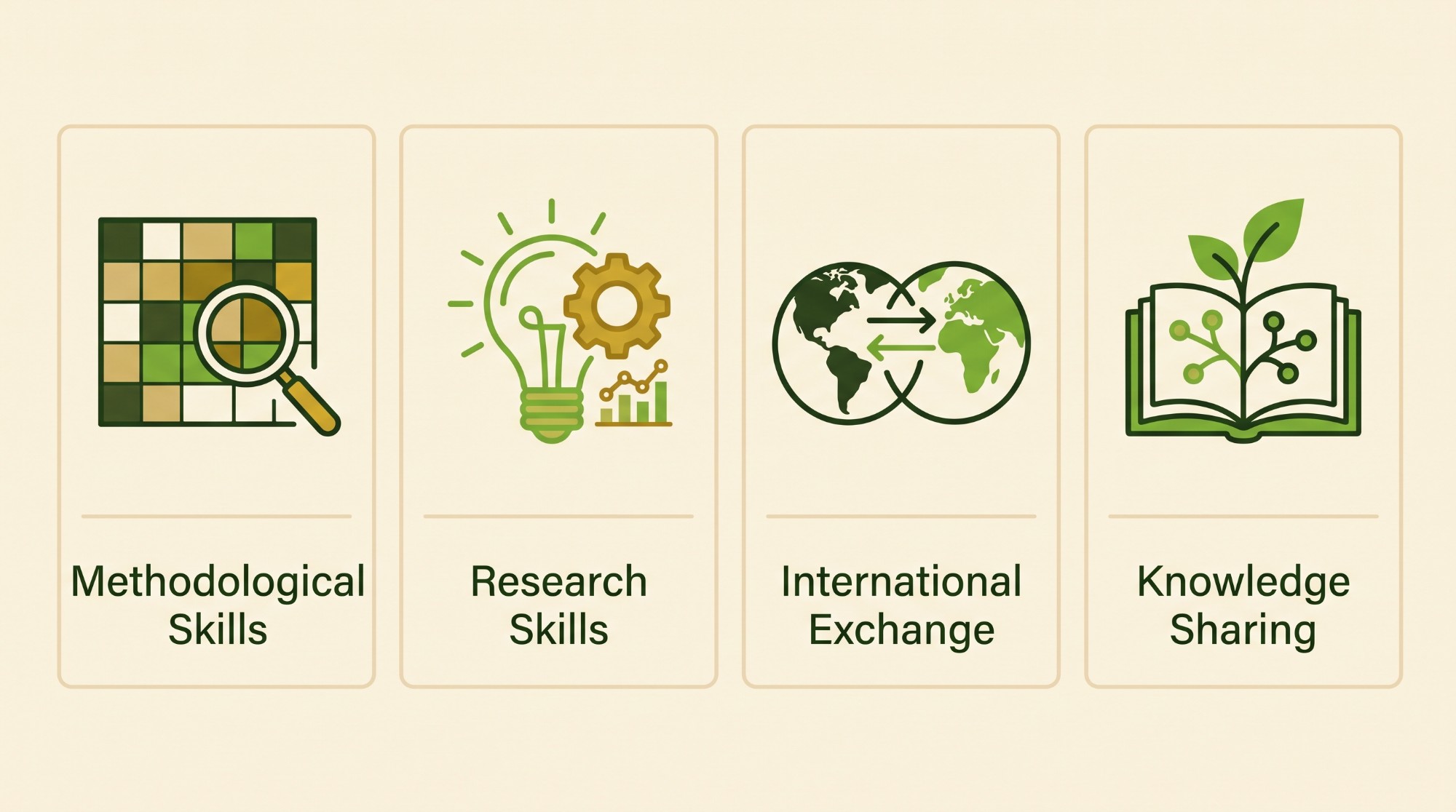
Given the growing importance of remote sensing data for environmental monitoring, there is a significant need for practical skills. Yet there remains a significant gap between theory and direct application, particularly in the in-situ validation of remote sensing data through field research. REFLECT addresses this challenge by developing research-based teaching formats for practice-oriented remote sensing with field research in an international context. Its innovation lies in the systematic integration of remote sensing and field research within a practical, pedagogically sound Kenyan-German exchange programme that addresses real-world, local environmental challenges — climate adaptation, land-use change, and water management — in a transboundary and transdisciplinary manner, in partnership with local stakeholders including the Muringato Water Resources Users Association (M-WRUA). The project creates a modular, transferable, and sustainable teaching format that, through digital open educational resources, anchors practice-oriented teaching in regular instruction even after the project ends, while strengthening international collaboration and digitally supported teaching formats. Students collect data on land cover and land use, drought parameters, and water quality — including GPS mapping, elevation measurement, soil temperature, moisture, nutrient availability, and water turbidity — using equipment such as GPS units, low-cost soil moisture sensors, and pH meters. Brief daily reflection sessions and peer feedback are used to discuss and address challenges as they arise, and documenting the methodology and experience provides a basis for later reflection on the learning process. Research results are presented within the course using digital story maps, followed by peer and instructor feedback. Teams then publish their story maps as open digital learning resources (best-practice guides) for future courses. The course is evaluated using "evasys," with suggestions for improvement fed back into teaching. Results are also shared through scholarly publications, local and international conferences, and trainings and workshops with local stakeholders. Effectiveness is assessed against four SMART goals: 1. Methodological competence — improved critical evaluation and use of remote sensing data and field research methods, measured through pre- and post-survey self-assessments and evaluation of results. 2. Research competence — independent planning and execution of the full research process, measured through evaluation of results, participation, and evidence of performance. 3. Intercultural competence — improved intercultural communication and cooperation skills, measured through group interviews, peer feedback, and Mentimeter. 4. Motivation and practical relevance — increased motivation through recognition of practical relevance, measured through pre- and post-surveys and qualitative interviews. REFLECT is fully funded by the Freiraum programme of the Stiftung für Innovation in der Hochschullehre (Foundation for Innovation in Higher Education). This course is the first of two REFLECT courses planned for 2026 and 2027. Coordinators: - DeKUT: Dr. Bartholomew Thiong'o Kuria (kuria.thiongo@dkut.ac.ke), Project Lead - RUB: Anna Bartels & Marie Rolf (marie.rolf@ruhr-uni-bochum.de)
- Improve methodological competence in remote sensing and field research methods
- Build independent research competence across the full research process
- Strengthen intercultural communication and cooperation skills
- Increase motivation through direct experience of practical relevance
Project information
- Partners
Dedan Kimathi University of Technology (DeKUT), Kenya, Ruhr University Bochum (RUB), Germany, Muringato Water Resources Users Association (M-WRUA) - Status
Ongoing - Duration
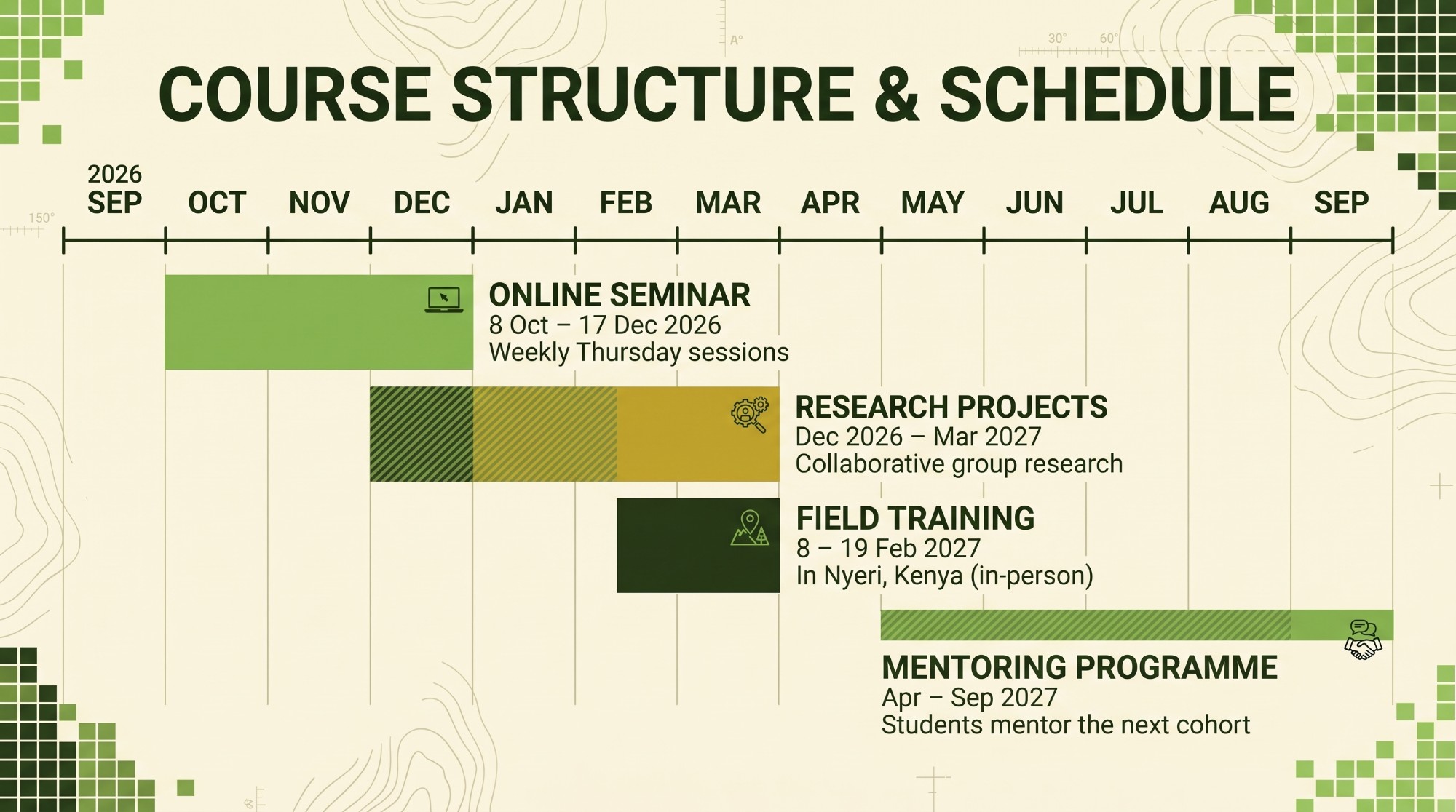
October 2026 – September 2027